
Eating Fruits and Vegetables, eat WAY more
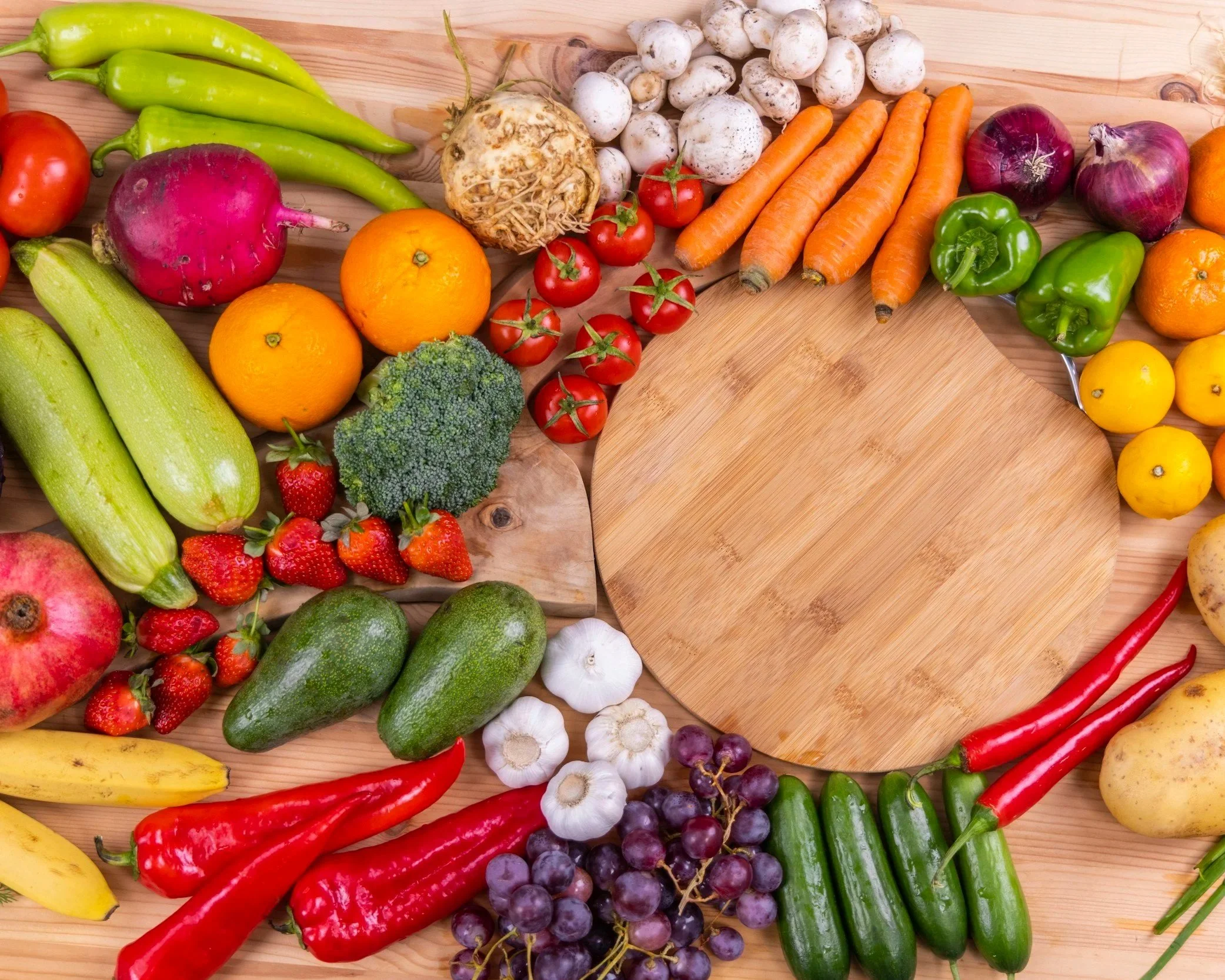
We often hear that we should eat fruits and vegetables because they are healthy, but it's not always easy to implement this advice. Many people find it hard to incorporate extra fruits and vegetables into their diets, especially when they don't have a good reason to do so.
One place to start is looking closer at the research showing how eating fruits and vegetables can actually make you feel better, both physically and mentally… I am talking about a natural antidepressant, natural energy booster, and regulating blood sugars to not only decrease diabetes risk but even preventing mood swings from blood sugar drops that we all experience (not just diabetics). Let’s explore the reasons why you should eat fruits and vegetables for yourself, not because someone told you to.
The reality of your current diet
First and foremost, fruits and vegetables are packed with essential nutrients. They are rich in vitamins, minerals, fiber, and antioxidants that protect your body against diseases and keep your organs functioning properly. If this isn’t new news for you then let’s dive in deeper!
Vitamin C found in fruits like oranges and berries is important for your immune system, while potassium found in bananas and leafy greens helps regulate your blood pressure. Studies have also shown that people who eat more fruits and vegetables have a lower risk of chronic diseases such as heart disease, diabetes, and cancer (1). To put this in perspective, one medium banana has about 420mg of potassium but the daily requirement of potassium for one day is a little less than 3,000mg for women and a little more than 3,000mg for men. That’s a lot of bananas!! All the foods high in potassium are fruits, vegetables, some legumes, and dairy products. To think about this logically, a diet would have to be very high in whole foods to meet these requirements. This is true for most of the vitamins; a lot of food needs to be consumed to meet the levels required to get the health benefits. One banana in the morning is just not going to cut it.
Here’s the full log on which foods will provide which health benefits. Food is medicine!!
Red/Yellow/ Oranges
Fruits and vegetables that are brightly colored are rich in vitamin A, vitamin C, and potassium. Some examples are red bell peppers, apples, pumpkins, carrots, corn, and yellow squash. Vitamin A is for eye and skin health. Vitamin C is necessary for healthy gums (bleeding gums could be a sign of vitamin C deficiency or just lack of flossing) and immune health. Potassium prevents muscle cramps (for those being jolted awake by a calf cramp at night) and reduces risk of heart disease by assisting in regulating heart rhythm. These vegetables also carry special compounds called phytonutrients that promote heart and eye health.
White/Brown
Cauliflower, jicama, daikon, garlic, and potatoes are examples of white and brown vegetables. They contain compounds called allicin, quercetin, and sulforaphane which maintain a healthy blood pressure and cholesterol. Allicin is a natural antibiotic found in garlic that can help fight off infection.
Purple/blue
If you’re wondering what foods are even blue or purple! The most common foods are eggplants, blackberries, and blueberries. Darker-colored vegetables are high in vitamin C, folate, and vitamin K. As mentioned before, vitamin C supports healthy gums and immune health, folate is important for the brain, and vitamin K for blood clotting and bone health. They contain a compound known as anthocyanin which lowers blood pressure and decreases risk of developing chronic conditions like diabetes.
Green
These vegetables are high in iron, potassium, calcium, vitamin A, C, E, and K. They support bone health, eye health, immune system, heart and vision. Most people wouldn’t think of their bones being made from vegetables, but a decent portion of calcium and Vitamin D come from these green vegetables. Eating calcium with vitamin D is important since vitamin D helps absorb calcium. Having enough Iron helps to avoid fatigue, moments of feeling weak, difficulty concentrating, and digestive problems.
If you manage to eat enough whole foods every day the benefits of fruits and vegetables go beyond just physical health to prevent chronic diseases. Eating a diet rich in these foods can improve your mood and mental well-being. One study found that people who ate more fruits and vegetables reported feeling happier, more satisfied with life, and more engaged in their daily activities (2). Another study found that consuming more fruits and vegetables was associated with lower levels of stress and better emotional well-being (3). This isn’t hocus-pocus, as a dietitian working in the inner city with those in corporate jobs, I meet with people every day that prioritize quick meals over nutrient dense meals. I constantly get asked how to get all the nutrients they need from vitamins to avoid eating salads and piles of fruit all day since they simply “don’t have the time” to be munching on fruit and cutting up vegetables. The truth of the matter… no supplement will provide the same benefits as eating the real thing. Want to pick my brain about it? Let’s chat! Especially if you’re worried about time management and if it’s possible to eat too many, schedule a call and let’s chat free of cost.
Let’s get back to mental health
Why do fruits and vegetables have these positive effects on our mood and well-being? One theory is that they contain nutrients that are important for brain health, such as folate, which is found in leafy greens and legumes. Folate is important for the production of neurotransmitters; these are critical chemicals for transmitting signals in the brain that affect our mood (4). Additionally, fruits and vegetables are high in fiber, which can help regulate blood sugar levels and prevent spikes and crashes that can lead to mood swings and fatigue (5). There is much to say about fiber, go read our fiber blog to be blown away.
It's important to note that these benefits are not just limited to fresh fruits and vegetables. Frozen and canned varieties can also be a convenient and affordable option that still provide many of the same nutrients. However, it's important to choose canned fruits and vegetables that are low in added sugars and salt, and to rinse them before eating to reduce the sodium content (6). Check out our blog on produce in the US on where to buy fresh produce and what’s the difference between organic and conventional.
Hopefully this has helped prove the point for how eating fruits and vegetables can make you feel better, both physically and mentally. The nutrients aren’t only good for your health, they’re essential, and research supports it! They can absolutely improve your mood, reduce stress, and increase feelings of well-being. So, next time you're considering whether to eat that apple or carrot, remember that you're not just doing it because someone told you to - you're doing it for your own health and happiness.
References:
https://pmc.ncbi.nlm.nih.gov/articles/PMC4940663/
https://pmc.ncbi.nlm.nih.gov/articles/PMC5902672/
https://www.purelyplanted.com/post/phytonutrients-6-plant-colors-you-should-add-to-your-diet