Blog
Evidence-based nutrition and fitness articles from JoStrong.
The Treadmill Dilemma

Most people don't realize that the more you walk on a treadmill, the fewer calories your body actually burns — and that the calorie numbers on your tracker may not be accurate at all. Here's what's really limiting your fat loss progress.
Navigating the Supplement Spectrum: A Guide to Enhancing Your Fitness Routine
Most people reach for protein powder and stop there. But amino acids, creatine, L-citrulline, beta-alanine, and CoQ10 each play a distinct role in performance and recovery! A Registered Dietitian breaks down what they do, when to take them, and what the research actually says.
PCOS: What It Is and How to Fight It
PCOS makes weight loss harder than doctors let on — insulin resistance is the hidden culprit behind cravings, fatigue, and hormonal chaos. Here's how diet and exercise can actually help.
GLP-1 Medications & Weight Loss: What You Need to Know
GLP-1s don't just curb hunger — they also suppress thirst signals and can trigger "Ozempic face" from losing weight too fast. Without resistance training, you'll lose muscle, not just fat.
What are Macronutrients?
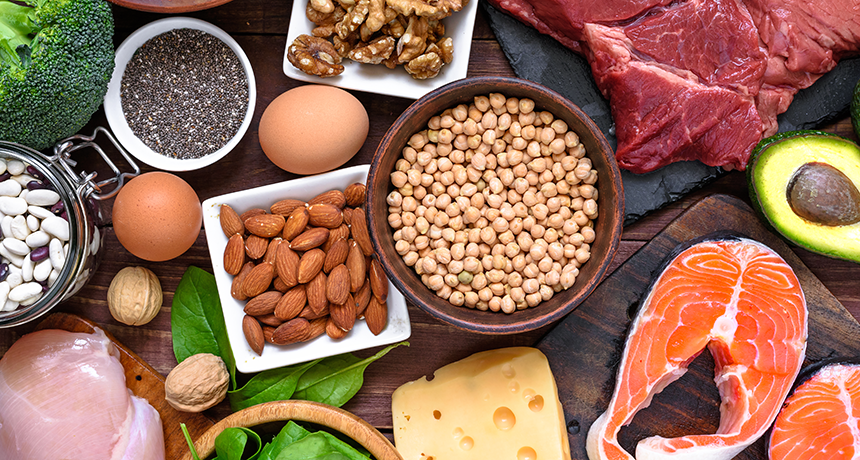
What is the deal with carbs, protein and fats? You may have heard the term macronutrients being tossed around lately. I can assure you that it's not the latest diet trend. In fact, macronutrients are something we're actually all familiar with.
Working with a Dietitian

Did you know that you don't have to be diagnosed with a chronic disease to work with a dietitian? Online sources and social media lead the general population to think a generalized meal plan and exercise routine will provide all the answers for weight management.
Supplementation for Vegans and Vegetarians
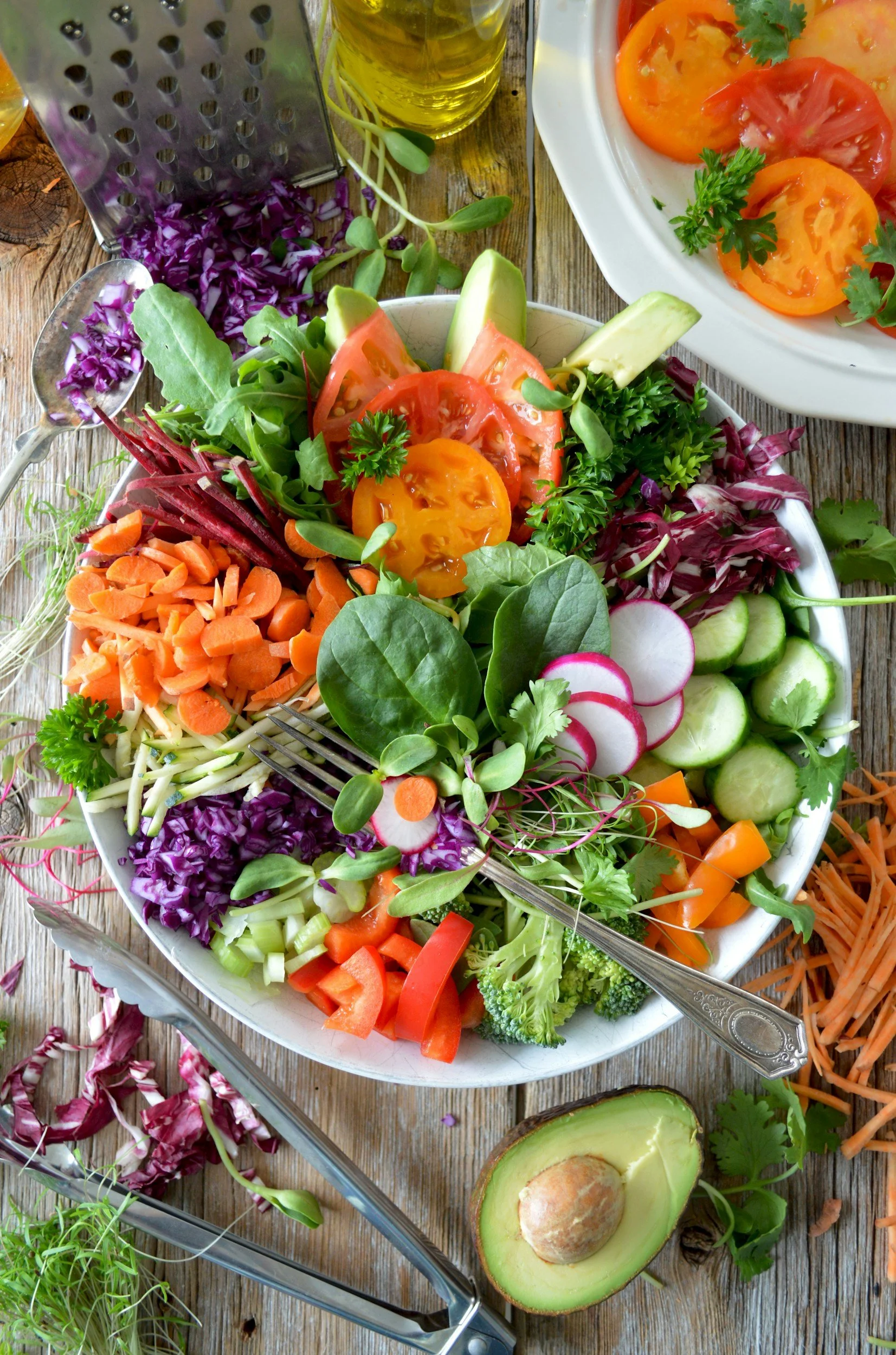
Vegan and vegetarian diets are common for various reasons, including health, ethical, and environmental concerns. Plant-based diets are increasing in popularity, so it is important to be aware of health considerations and potential nutrient gaps.
Supplement Overview
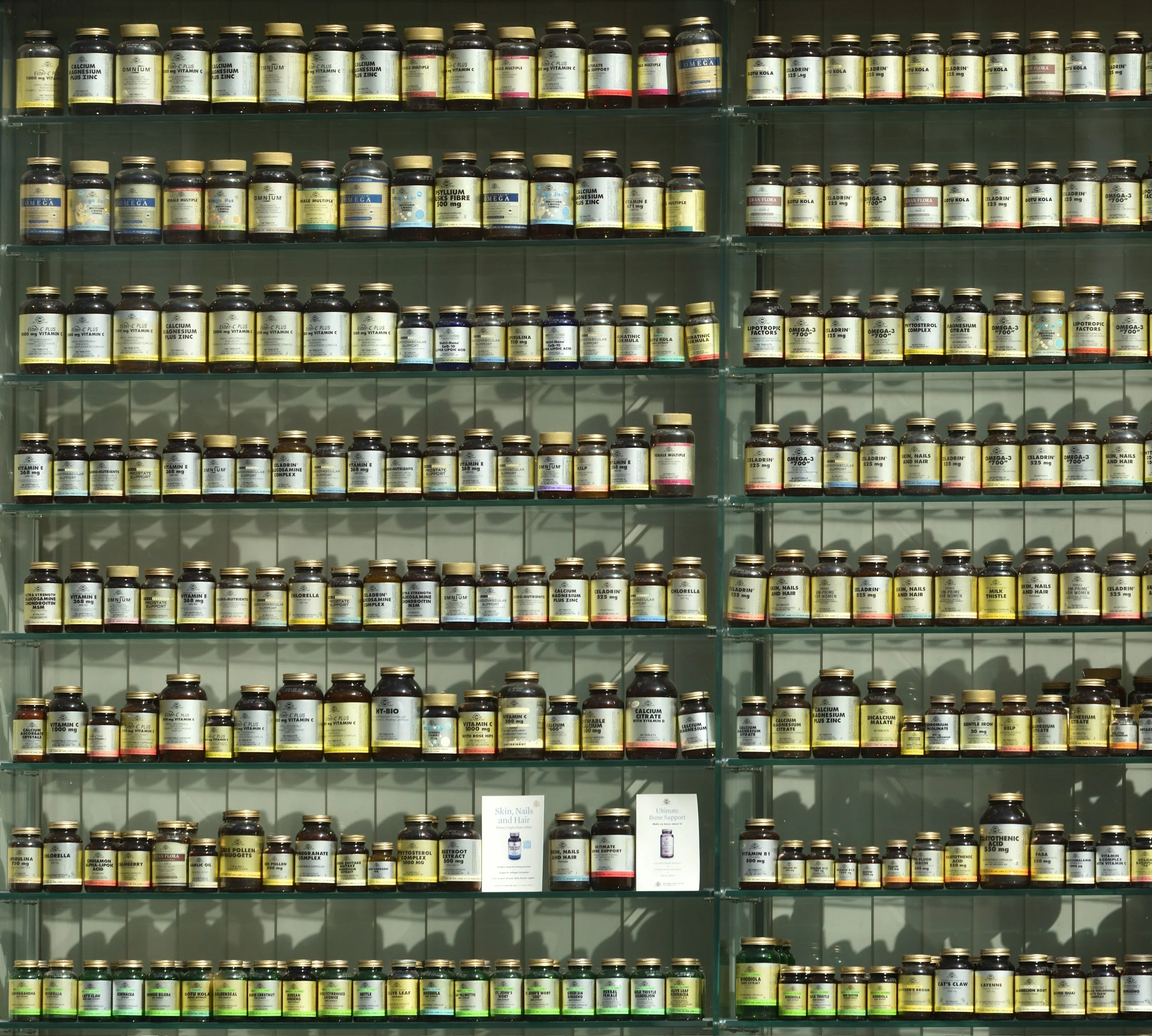
While determining if a supplement is right for you, there are many different factors to consider. Determining the supplements you need depends on your individual health status, medications, dietary lifestyle, and specific health goals.
Vitamin Supplementation
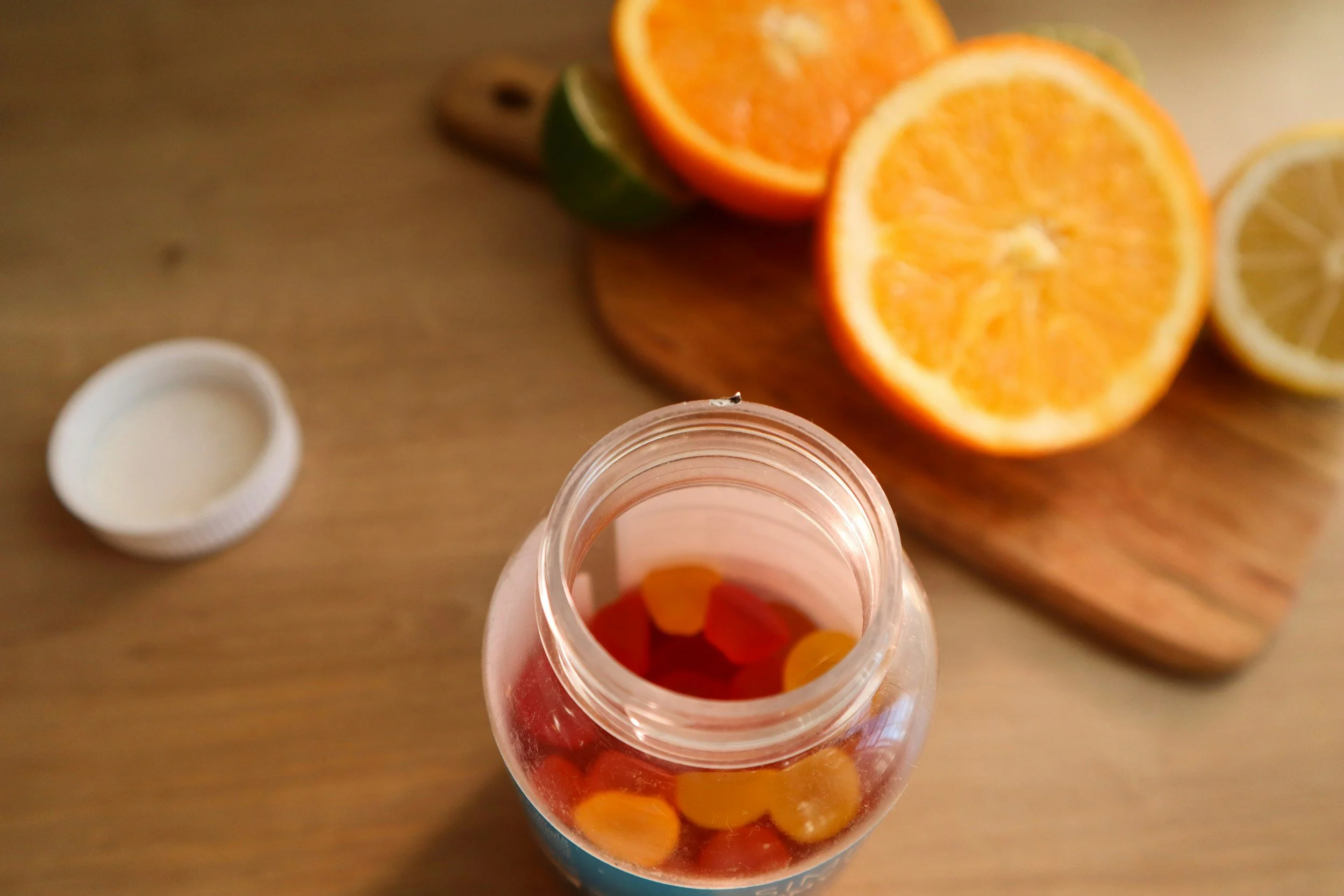
Vitamins are essential organic compounds that are vital for the body's functions. There are two groups of vitamins – water soluble (B vitamins and vitamin C) and fat soluble vitamins (Vitamins A, D, E, and K).
Foam Rolling the Lats
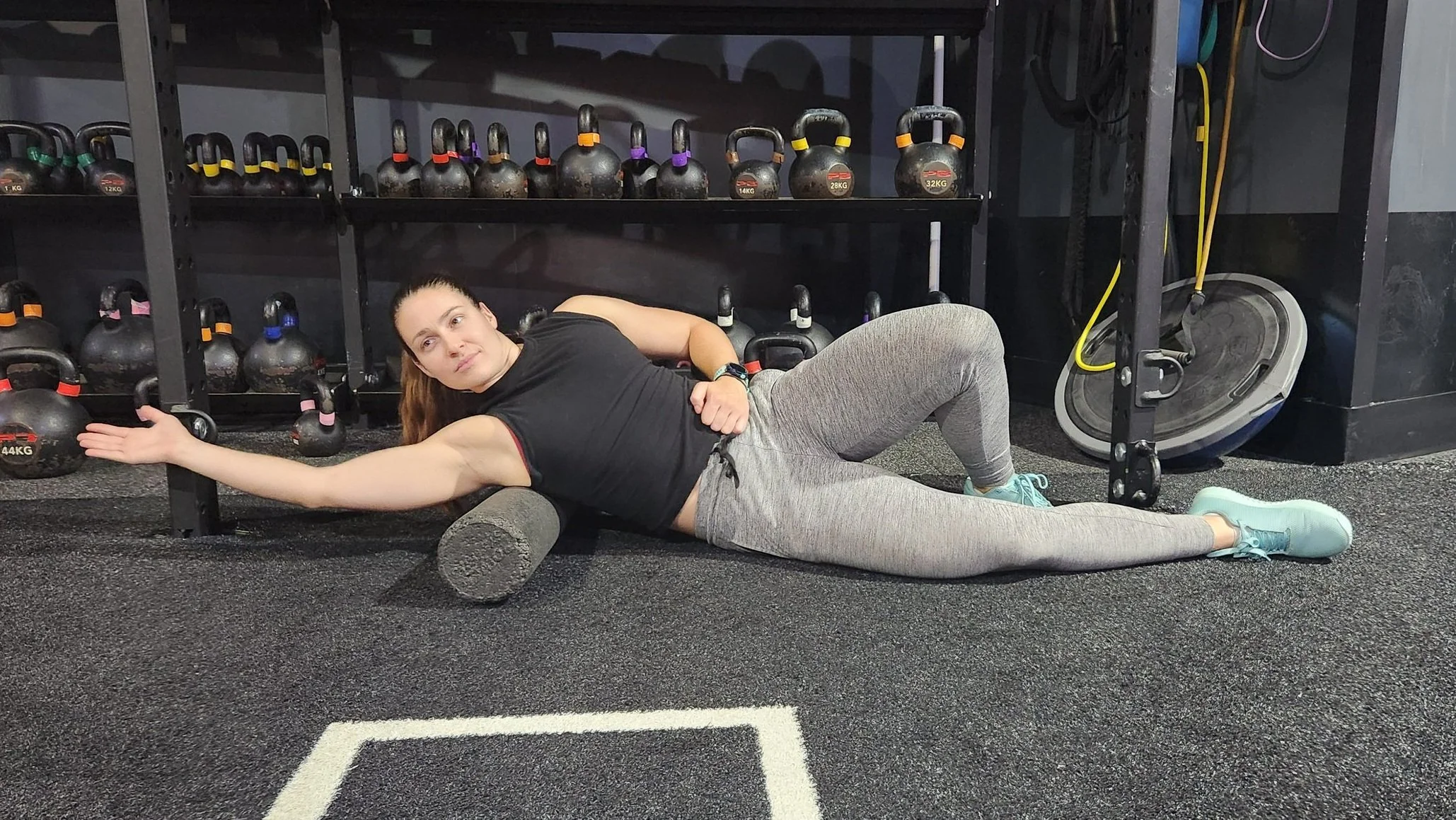
Foam rollers are tools widely used by health professionals, trainers, and coaches. Foam rolling helps to increase flexibility, muscle recovery, improved range of motion, muscle relaxation, reduced soreness, and helps to prevent future injuries.
Eating Fruits and Vegetables, eat WAY more
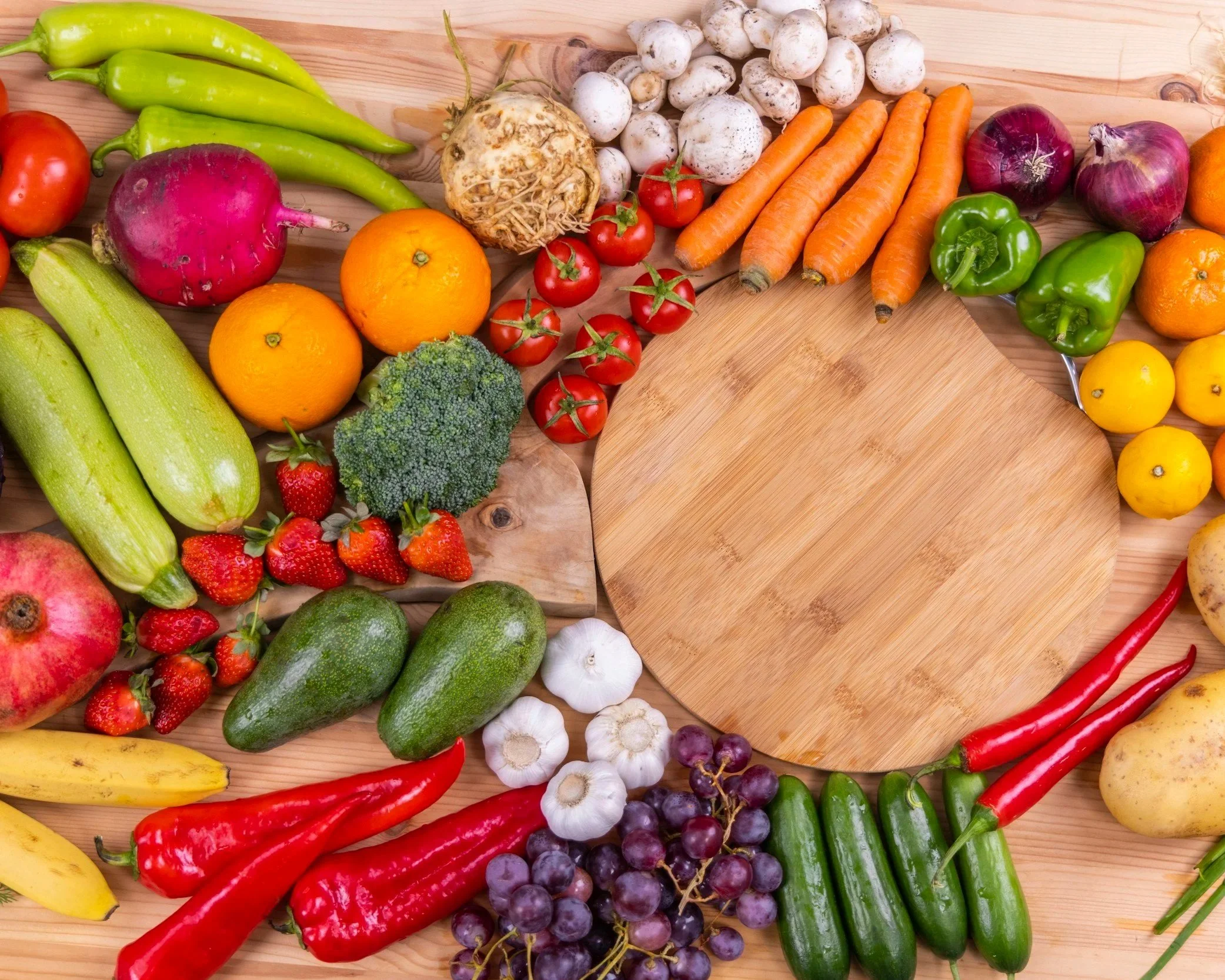
We often hear that we should eat fruits and vegetables because they are healthy, but it is not always easy to implement this advice. One place to start is looking closer at the research showing how they can actually make you feel better, both physically and mentally.